The Camino de Santiago is a network of pilgrimage routes in northern Spain leading to the Cathedral of Santiago de Compostela.
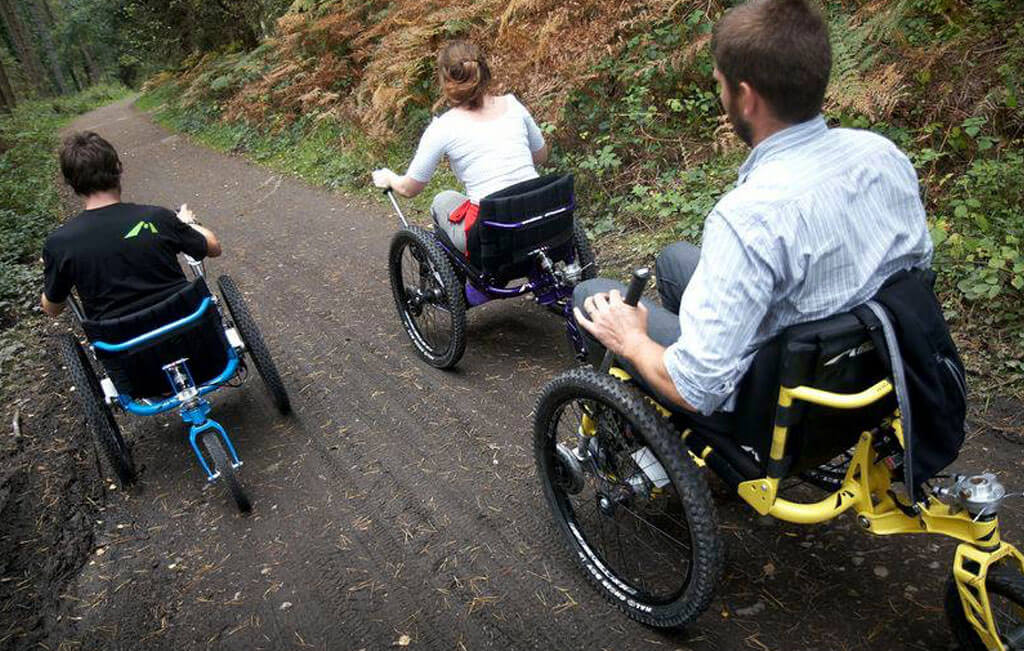
Despite the Camino's appeal, many people with disabilities face significant challenges in undertaking the pilgrimage.
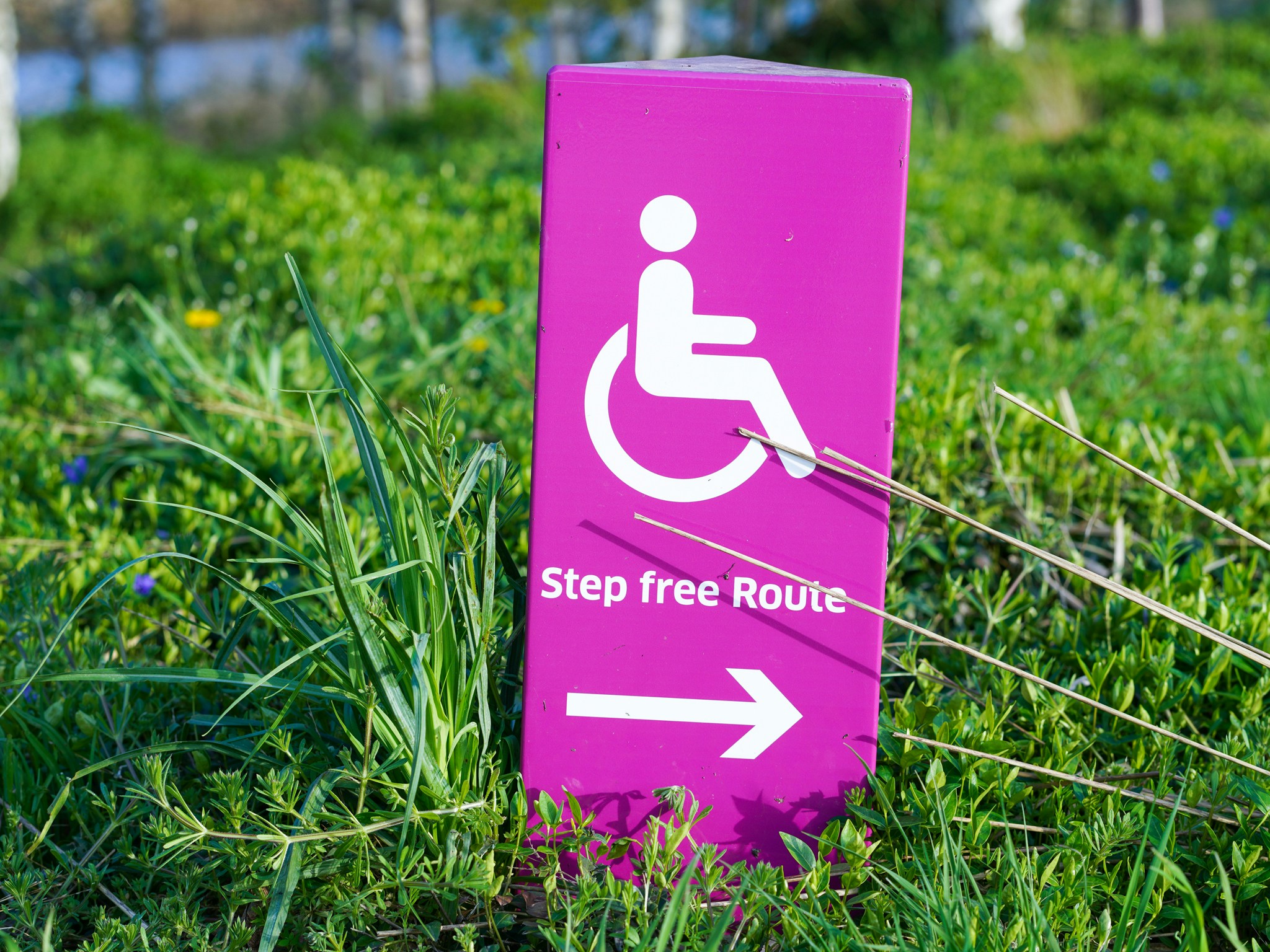
Physical barriers can include uneven terrain, narrow paths, lack of accessible transportation, and inadequate restroom facilities.
Communication barriers may arise due to a lack of signage in Braille or tactile maps, or limited availability of information in accessible formats.
Documentary
The Inclusive Path: A New Camino de Santiago Story
Join a group of young people from across Europe (Spain, Romania, Portugal, Slovenia, and Poland) as they walk the legendary Camino de Santiago. This is not just a travel film, but a powerful documentary that brings together accessibility, inclusion, and real-life experience.
This journey is the culmination of the InCASA project, a European initiative created to prove that adventure, culture, and outdoor experiences should never be off-limits, regardless of physical or mental abilities.
We aim to enhance accessibility and participation in the Camino de Santiago pilgrimage for youngsters with disabilities. By developing an accessible web app and a training platform for caregivers and youth workers, we seek to empower these individuals with the necessary resources and support for a meaningful pilgrimage experience. Our project also aspires to inspire similar initiatives across Europe, promoting inclusivity in outdoor and cultural activities
The Camino de Santiago is a network of pilgrimage routes in northern Spain leading to the Cathedral of Santiago de Compostela.
Funded by the European Union. Views and opinions expressed are however those of the author(s) only and do not necessarily reflect those of the Instituto de la Juventud (INJUVE). Neither the European Union nor INJUVE can be held responsible for them.
We value your privacy
We use cookies to enhance your browsing experience, serve personalised content and analyse our traffic. By clicking "Accept All", you consent to our use of cookies.
Functional
Always active
The technical storage or access is strictly necessary for the legitimate purpose of enabling the use of a specific service explicitly requested by the subscriber or user, or for the sole purpose of carrying out the transmission of a communication over an electronic communications network.
Preferences
The technical storage or access is necessary for the legitimate purpose of storing preferences that are not requested by the subscriber or user.
Statistics
The technical storage or access that is used exclusively for statistical purposes.The technical storage or access that is used exclusively for anonymous statistical purposes. Without a subpoena, voluntary compliance on the part of your Internet Service Provider, or additional records from a third party, information stored or retrieved for this purpose alone cannot usually be used to identify you.
Marketing
The technical storage or access is required to create user profiles to send advertising, or to track the user on a website or across several websites for similar marketing purposes.